Why Do I Need a Crown After Root Canal Treatment?
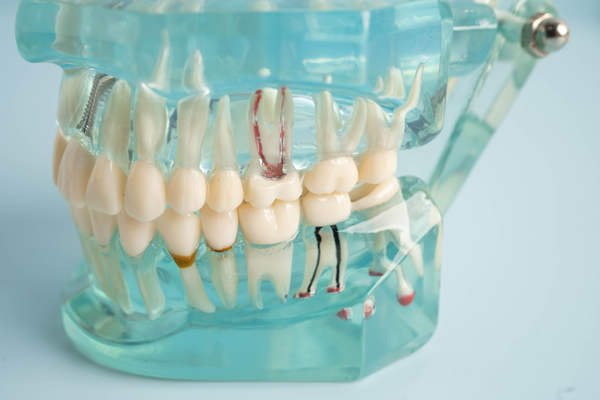
When a dentist recommends a crown after root canal treatment, patients often question if this additional step is truly necessary. While the initial procedure removes the source of pain and infection, it also fundamentally changes the integrity and structure of the tooth. A dental crown serves as the final phase of restoration to ensure the tooth remains functional and intact for years to come.
How a tooth changes after root canal treatment
During a root canal, the dentist completely removes the dental pulp from the affected tooth. This internal tissue contains the nerves and blood vessels that provide hydration and nutrients to the tooth structure. Once the pulp is gone and replaced with a biocompatible filling material, the remaining enamel and dentin gradually become more brittle. The damaged enamel can increase the risk of a vertical fracture or a break when in use. The loss of internal moisture means the tooth cannot absorb the shock of daily biting and chewing as effectively as a healthy tooth.
Why dental crowns are necessary
A dental crown acts as a protective shield, covering the entire visible portion of the treated tooth. This restoration is not only cosmetic; it also provides the mechanical reinforcement needed to withstand the immense pressure exerted by the jaw muscles. The following are the most common reasons that dentists strongly recommend dental crowns after root canal treatment:
- Distributes biting force: Crowns distribute the force of a bite across the entire surface of the tooth rather than allowing pressure to focus on weakened walls.
- Prevents fractures: Acting as a cap, this restoration holds the tooth structure together, preventing small cracks from expanding into the root.
- Seals against bacteria: The crown provides a sophisticated seal that prevents saliva and new bacteria from leaking back into the internal chambers.
- Preserves tooth alignment: A reinforced tooth maintains its place in the dental arch, preventing neighboring teeth from shifting.
- Restores chewing efficiency: Patients can return to their normal diet without fear of the treated tooth snapping under pressure.
When the dentist places a dental crown after root canal treatment, it is the most reliable way to prevent the need for tooth extraction in the future.
How the location of the tooth impacts long-term success
The necessity of a crown typically depends on the location of the tooth within the mouth. Molars and premolars are the primary workhorses for grinding food and endure the most stress. Back teeth without crowns are much more likely to fail shortly after a root canal. While front teeth might occasionally require only a resin filling, a dental professional will always prioritize the option that offers the highest level of structural integrity.
Keep your tooth healthy for years to come
Investing in a crown protects your initial root canal investment. Without it, the tooth is at risk of reinfection or failure, potentially leading to more invasive procedures down the road. If you have questions about the timing of your permanent restoration, call our office at {{CALLTRACKINGNUMBER}} to discuss your treatment plan.
Request an appointment here: https://smile-practice.com or call Smile Practice Family Dentistry at (754) 307-0881 for an appointment in our Tamarac office.
Check out what others are saying about our dental services on Google: Root Canal Treatment in Tamarac, FL.
Related Posts
It is usually hard to determine the precise cause of TMJ disorder. Issues affecting the temporomandibular joint may originate from different potential causes, and ascertaining the right cause can help determine the course of treatment. Jaw injury is a common cause of TMJ disorder, but the condition does not develop immediately after the injury; in…
Knowing when you need an emergency dentist can help save teeth, preserve oral health, and prevent serious complications. From sudden tooth pain to dental trauma, understanding the signs that require immediate attention helps ensure timely and effective care. Learning more about the role of an emergency dentist can prepare patients to act quickly in critical…
Having a full mouth reconstruction is a highly involved process. Whether you need one due to severe decay or infections, after suffering a dental trauma, or an issue you were born with, this procedure can help restore the full function and appearance of your smile. After a full mouth reconstruction, there are some helpful ways…
Dental bridge treatment offers an effective solution for replacing missing teeth, and in some situations, it may be a better choice than a dental implant. While both options restore appearance and function, the right recommendation depends on several factors, including oral health, treatment goals, and overall circumstances. A general dentist evaluates each patient's unique needs…